Buy getl.eu ?
We are moving the project
getl.eu .
Are you interested in purchasing the domain
getl.eu ?
domain@kv-gmbh.de · 0541-91531010
Buy getl.eu ?
What happens in the small intestine?
The small intestine is where most of the digestion and absorption of nutrients from food takes place. Enzymes from the pancreas and bile from the liver help break down food into smaller molecules that can be absorbed by the intestinal lining. Villi and microvilli in the small intestine increase the surface area for absorption, allowing nutrients like carbohydrates, proteins, fats, vitamins, and minerals to be taken up into the bloodstream and transported to cells throughout the body. Any remaining undigested food then moves on to the large intestine for further processing. **
What is the small intestine in horses?
The small intestine in horses is a long, coiled tube that is a crucial part of the digestive system. It is responsible for the majority of nutrient absorption, including proteins, carbohydrates, and fats. The small intestine is where the majority of the digestive process takes place, as it is where enzymes and other digestive juices break down food into smaller molecules that can be absorbed into the bloodstream. It is a vital organ for the overall health and well-being of the horse. **
Similar search terms for Small intestine
Top-Angebote
Products related to Small intestine:
-
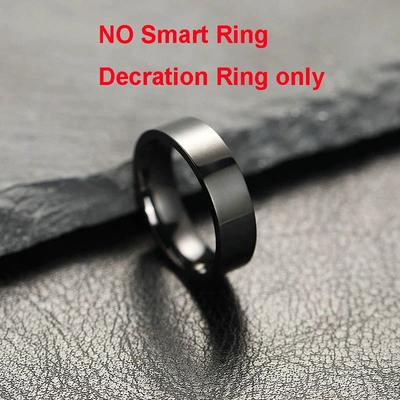
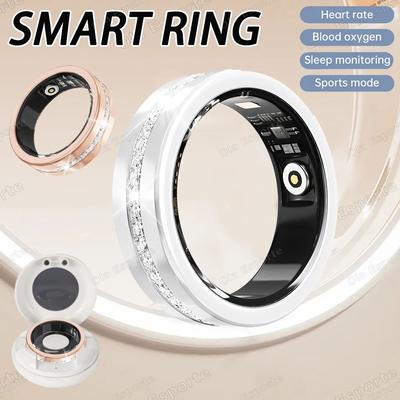
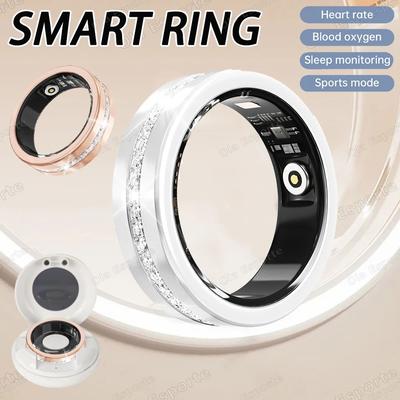
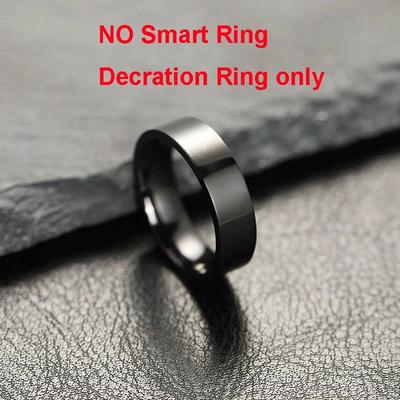
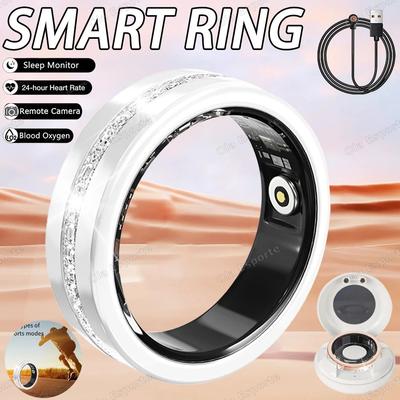
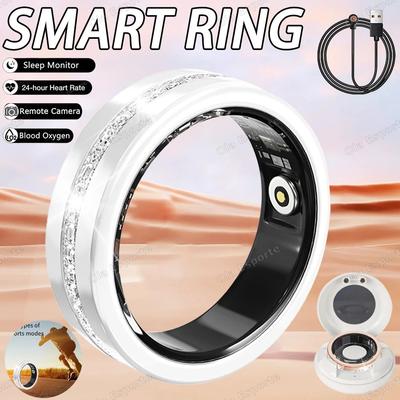
Uplift Treasures Fashion Smart Fitness Ring Heart Rate Pedometer Health Tracker black 10Product Description Combine style and wellness with this elegant smart fitness ring designed especially for everyday health tracking. Featuring heart rate monitoring, step counting, and sports activity tracking, this diamond style smart ring blends...33,97 $*Shipping: 0,00 $Secure redirect to the provider
-
Uplift Treasures Fashion Smart Fitness Ring Heart Rate Pedometer Health Tracker black 8Product Description Combine style and wellness with this elegant smart fitness ring designed especially for everyday health tracking. Featuring heart rate monitoring, step counting, and sports activity tracking, this diamond style smart ring blends...33,97 $*Shipping: 0,00 $Secure redirect to the provider
-
Uplift Treasures Fashion Smart Fitness Ring Heart Rate Pedometer Health Tracker silver With Box 8Product Description Combine style and wellness with this elegant smart fitness ring designed especially for everyday health tracking. Featuring heart rate monitoring, step counting, and sports activity tracking, this diamond style smart ring blends...147,97 $*Shipping: 0,00 $Secure redirect to the provider
-
Uplift Treasures Fashion Smart Fitness Ring Heart Rate Pedometer Health Tracker silver With Box 9Product Description Combine style and wellness with this elegant smart fitness ring designed especially for everyday health tracking. Featuring heart rate monitoring, step counting, and sports activity tracking, this diamond style smart ring blends...147,97 $*Shipping: 0,00 $Secure redirect to the provider
-
Where does the name small intestine come from?
The name "small intestine" comes from its relatively smaller diameter compared to the large intestine. The small intestine is actually longer than the large intestine, but it was named based on its narrower diameter. It is the part of the digestive system where most of the digestion and absorption of nutrients takes place. **
-
What happens during absorption in the small intestine?
During absorption in the small intestine, the nutrients from the digested food are absorbed into the bloodstream. The inner surface of the small intestine is lined with millions of tiny, finger-like projections called villi, which increase the surface area for absorption. Nutrients such as carbohydrates, proteins, fats, vitamins, and minerals are absorbed through the walls of the small intestine and then transported to the rest of the body through the bloodstream. This process is essential for providing the body with the necessary nutrients for energy, growth, and overall functioning. **
-
How long is the small intestine of an adult?
The small intestine of an adult is typically around 20 feet long. It is divided into three sections: the duodenum, the jejunum, and the ileum. The small intestine is where most of the digestion and absorption of nutrients from food takes place. Its long length allows for a large surface area for nutrient absorption to occur. **
-
Can food travel back from the intestine to the stomach?
Food typically moves in one direction through the digestive system, from the mouth to the stomach, then to the small intestine, and finally to the large intestine before being eliminated from the body. The lower esophageal sphincter, a muscular valve at the entrance of the stomach, prevents food from moving back up into the esophagus. However, in some cases, such as with conditions like acid reflux or gastroesophageal reflux disease (GERD), food and stomach acid can travel back up from the stomach to the esophagus. **
Why doesn't pepsin attack the proteins in the small intestine?
Pepsin is an enzyme that is specifically designed to function in the acidic environment of the stomach. Once the partially digested food leaves the stomach and enters the small intestine, the pH becomes more neutral, which is not an optimal environment for pepsin to function effectively. Additionally, the small intestine contains other enzymes like trypsin and chymotrypsin that are responsible for further breaking down proteins into smaller peptides and amino acids. **
Can pepsin also act as an enzyme in the small intestine?
No, pepsin cannot act as an enzyme in the small intestine. Pepsin is an enzyme that is produced in the stomach and is responsible for breaking down proteins into smaller peptides. Once the food moves from the stomach to the small intestine, the acidic environment of the stomach is neutralized, and pepsin becomes inactive. In the small intestine, other enzymes such as trypsin, chymotrypsin, and peptidases take over the role of breaking down proteins into amino acids for absorption. **
Top-Angebote
Products related to Small intestine:
-
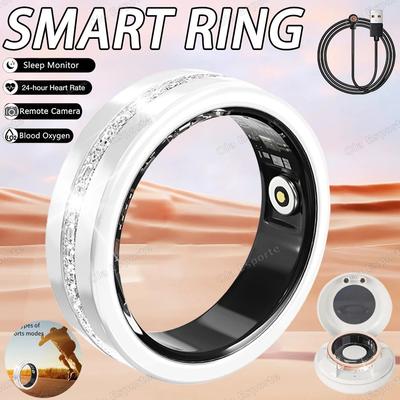
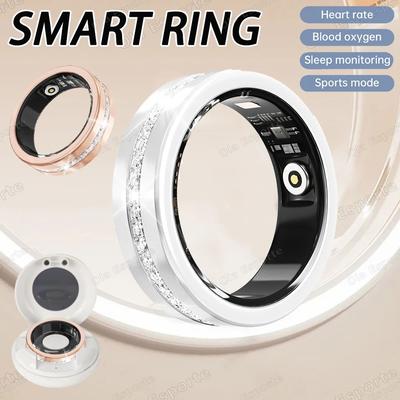
Uplift Treasures Fashion Smart Fitness Ring Heart Rate Pedometer Health Tracker black 9Product Description Combine style and wellness with this elegant smart fitness ring designed especially for everyday health tracking. Featuring heart rate monitoring, step counting, and sports activity tracking, this diamond style smart ring blends...33,97 $*Shipping: 0,00 $Secure redirect to the provider
-
Uplift Treasures Fashion Smart Fitness Ring Heart Rate Pedometer Health Tracker black 7Product Description Combine style and wellness with this elegant smart fitness ring designed especially for everyday health tracking. Featuring heart rate monitoring, step counting, and sports activity tracking, this diamond style smart ring blends...33,97 $*Shipping: 0,00 $Secure redirect to the provider
-
Uplift Treasures Fashion Smart Fitness Ring Heart Rate Pedometer Health Tracker black 10Product Description Combine style and wellness with this elegant smart fitness ring designed especially for everyday health tracking. Featuring heart rate monitoring, step counting, and sports activity tracking, this diamond style smart ring blends...33,97 $*Shipping: 0,00 $Secure redirect to the provider
-
Uplift Treasures Fashion Smart Fitness Ring Heart Rate Pedometer Health Tracker black 8Product Description Combine style and wellness with this elegant smart fitness ring designed especially for everyday health tracking. Featuring heart rate monitoring, step counting, and sports activity tracking, this diamond style smart ring blends...33,97 $*Shipping: 0,00 $Secure redirect to the provider
-
What happens in the small intestine?
The small intestine is where most of the digestion and absorption of nutrients from food takes place. Enzymes from the pancreas and bile from the liver help break down food into smaller molecules that can be absorbed by the intestinal lining. Villi and microvilli in the small intestine increase the surface area for absorption, allowing nutrients like carbohydrates, proteins, fats, vitamins, and minerals to be taken up into the bloodstream and transported to cells throughout the body. Any remaining undigested food then moves on to the large intestine for further processing. **
-
What is the small intestine in horses?
The small intestine in horses is a long, coiled tube that is a crucial part of the digestive system. It is responsible for the majority of nutrient absorption, including proteins, carbohydrates, and fats. The small intestine is where the majority of the digestive process takes place, as it is where enzymes and other digestive juices break down food into smaller molecules that can be absorbed into the bloodstream. It is a vital organ for the overall health and well-being of the horse. **
-
Where does the name small intestine come from?
The name "small intestine" comes from its relatively smaller diameter compared to the large intestine. The small intestine is actually longer than the large intestine, but it was named based on its narrower diameter. It is the part of the digestive system where most of the digestion and absorption of nutrients takes place. **
-
What happens during absorption in the small intestine?
During absorption in the small intestine, the nutrients from the digested food are absorbed into the bloodstream. The inner surface of the small intestine is lined with millions of tiny, finger-like projections called villi, which increase the surface area for absorption. Nutrients such as carbohydrates, proteins, fats, vitamins, and minerals are absorbed through the walls of the small intestine and then transported to the rest of the body through the bloodstream. This process is essential for providing the body with the necessary nutrients for energy, growth, and overall functioning. **
Similar search terms for Small intestine
-
Uplift Treasures Fashion Smart Fitness Ring Heart Rate Pedometer Health Tracker silver With Box 8Product Description Combine style and wellness with this elegant smart fitness ring designed especially for everyday health tracking. Featuring heart rate monitoring, step counting, and sports activity tracking, this diamond style smart ring blends...147,97 $*Shipping: 0,00 $Secure redirect to the provider
-
Uplift Treasures Fashion Smart Fitness Ring Heart Rate Pedometer Health Tracker silver With Box 9Product Description Combine style and wellness with this elegant smart fitness ring designed especially for everyday health tracking. Featuring heart rate monitoring, step counting, and sports activity tracking, this diamond style smart ring blends...147,97 $*Shipping: 0,00 $Secure redirect to the provider
-
Uplift Treasures Fashion Smart Fitness Ring Heart Rate Pedometer Health Tracker silver With Box 10Product Description Combine style and wellness with this elegant smart fitness ring designed especially for everyday health tracking. Featuring heart rate monitoring, step counting, and sports activity tracking, this diamond style smart ring blends...147,97 $*Shipping: 0,00 $Secure redirect to the provider
-
Uplift Treasures Fashion Smart Fitness Ring Heart Rate Pedometer Health Tracker silver With Box 7Product Description Combine style and wellness with this elegant smart fitness ring designed especially for everyday health tracking. Featuring heart rate monitoring, step counting, and sports activity tracking, this diamond style smart ring blends...147,97 $*Shipping: 0,00 $Secure redirect to the provider
-
How long is the small intestine of an adult?
The small intestine of an adult is typically around 20 feet long. It is divided into three sections: the duodenum, the jejunum, and the ileum. The small intestine is where most of the digestion and absorption of nutrients from food takes place. Its long length allows for a large surface area for nutrient absorption to occur. **
-
Can food travel back from the intestine to the stomach?
Food typically moves in one direction through the digestive system, from the mouth to the stomach, then to the small intestine, and finally to the large intestine before being eliminated from the body. The lower esophageal sphincter, a muscular valve at the entrance of the stomach, prevents food from moving back up into the esophagus. However, in some cases, such as with conditions like acid reflux or gastroesophageal reflux disease (GERD), food and stomach acid can travel back up from the stomach to the esophagus. **
-
Why doesn't pepsin attack the proteins in the small intestine?
Pepsin is an enzyme that is specifically designed to function in the acidic environment of the stomach. Once the partially digested food leaves the stomach and enters the small intestine, the pH becomes more neutral, which is not an optimal environment for pepsin to function effectively. Additionally, the small intestine contains other enzymes like trypsin and chymotrypsin that are responsible for further breaking down proteins into smaller peptides and amino acids. **
-
Can pepsin also act as an enzyme in the small intestine?
No, pepsin cannot act as an enzyme in the small intestine. Pepsin is an enzyme that is produced in the stomach and is responsible for breaking down proteins into smaller peptides. Once the food moves from the stomach to the small intestine, the acidic environment of the stomach is neutralized, and pepsin becomes inactive. In the small intestine, other enzymes such as trypsin, chymotrypsin, and peptidases take over the role of breaking down proteins into amino acids for absorption. **
* All prices are inclusive of VAT and, if applicable, plus shipping costs. The offer information is based on the details provided by the respective shop and is updated through automated processes. Real-time updates do not occur, so deviations can occur in individual cases. ** Note: Parts of this content were created by AI.